Josh Benner

Tag: conservative

  • What’s the greatest danger to the American church?

    photo-1476455479340-25ee0cee09bf.jpeg
    There are 300,000 churches in America.
    There are many wonderful churches that boldly proclaim the gospel and faithfully teach the Bible every week. There is no perfect church in the world, because every church is full of members who are imperfect people.
    I think that the biggest issue the American church faces today is related to truth and love.
    Love that undermines truth and truth that doesn’t practice love. I’ll briefly explain what that means.
    Love that undermines truth 
    Love is important. The greatest command in scripture is to love God and to love people. God is love.
    But some churches can emphasize love to the point where it undermines truth.
    For instance, there is a temptation in some Christian circles to consider the love of God and reason that: “since God is love, his love extends to all people, whether or not they believe in God and whether or not they want or accept his love.”
    God is love. But that is just taking a slice of the character of God and acting as if that’s the whole pie. God is love. But he is also just, and righteous, and holy. He judges, he has wrath towards sin. God has all of those qualities at all times.
    God is love. But the idea of love is not only exclusive to what our culture defines love as.
    We tend to value acceptance and tolerance as what it is to love. And it’s true that God meets us where we are, but Jesus doesn’t save us to keep us the same. God is a perfecting God. We sin. We sin so much that we needed a savior, and the gospel is not a message that teaches us that we’re ok and we should just keep doing what we’re doing. We need to live for God and pursue him.
    Making love purely about acceptance and tolerance is not the full Biblical scope of what love is. And so it undermines the truth of scripture. And it runs the danger of undermining the inerrancy of scripture (taking the Bible as practical wisdom rather than the infallible word of God). And this view runs the risk of undermining the gospel itself.
    Assuming that love and  demand for justice are mutually exclusive.

    I observe this being the great risk in more liberal denominations.

    Truth that doesn’t practice love

    I think this is more of a danger in conservative and evangelical circles. We place a high value on the scripture and theology. And well we should because both of those are hugely important.

    But we can get so preoccupied with having the right answer that we lose sight of actually living out what we know. This is very similar to the failure of the Pharisees in the gospels. They were very well studied and trained in theology, but they missed the heart of the message.

    It can be easy to know the right answer but it’s difficult to live it out in practice.

    Truth and love. It comes down to belief and practice. We need both.

    Originally published May 9, 2018 under the title “What’s the greatest danger to the church?”

    Thanks for reading! I’d love to hear what you think, and don’t forget to subscribe!

    Josh Benner has a Master of Divinity from Trinity Evangelical Divinity School. He has served churches in Minnesota and Illinois. He enjoys writing about faith and culture. He lives with his wife Kari in St. Louis.


  • Methodist court affirms LGBT legislation

    brand

    In February, the United Methodist Church (UMC) voted to keep its traditional marriage stance. Last week, the UMC judicial council affirmed several of the measures which had been approved. The judicial council is the high court of the UMC. From their website, it says that they determine “the constitutionality of acts or proposed acts of the General, Jurisdictional, Central, and Annual Conferences.”

    The result of the February vote was that the UMC would not ordain openly LGBT clergy, nor would they perform same-sex wedding ceremonies. This is something which some regions within the UMC were allowing as the American Methodist churches became more progressive. (more…)

  • Tim Keller argues that Christians don’t fit into the two-party system – he’s right

    Timothy_Keller
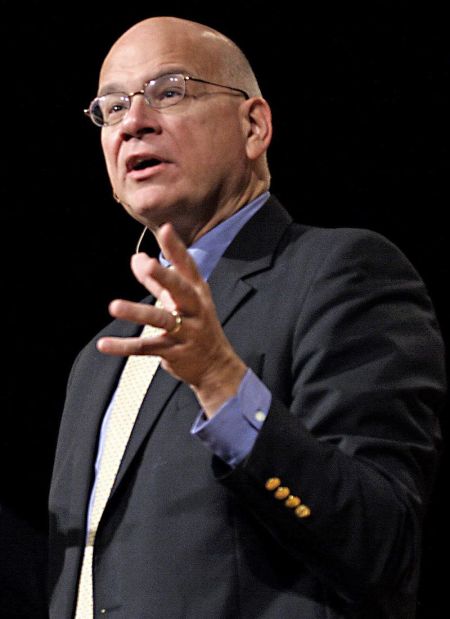
    Photo courtesy of Wikimedia Commons @Frank Licorice

    Pastor and theologian Tim Keller had an op-ed in the New York Times last week entitled “How do Christians fit into the two-party system? They don’t.”

    In the piece, Keller outlines the complexity of the situation for Americans in the political arena. Keller argues (and I agree) that neither political party perfectly encompasses Christian teaching. This can be a challenging view for people because the temptation can be to look at whatever their party is and think “THIS is where real Christians belong. Honestly, I don’t even know if a person can be a Christian and vote for the other side.”

    The conservative platform certainly has elements which more closely align with Christianity including traditional marriage values and a pro-life stance.

    It is problematic that the democratic party holds to unbiblical beliefs on these issues.

    But they’re not entirely wrong and the republican platform is also not perfectly aligned with Biblical teaching. For instance, the Bible does have much to say about care for the poor, those who society looks down upon, and aliens. Now there is room for disagreement on the extent to which social welfare programs should go, but it’s a conversation where there is often greater empathy on the left side of the political aisle.

    Both parties have major flaws. One of the unfortunate issues in our society is that we’re losing the ability to see anything good or any redeeming qualities in the political party we oppose.

    That’s why I like Keller’s article (and he’s said similar things elsewhere). Because Christians are doing life in a fallen world and that fallenness most certainly carries over into political philosophies.

    Some have opted to go a third route which is to remove oneself from the political process. But even being apolitical is to be political. Not taking a stance on major moral evils is taking a stance.

    I’ve been saying for a long time that political values are a common  idol in our society. Politics matter. But they’re not the end all, be all. And politics are not our hope for a better world. The gospel is.

    Again, the point isn’t to totally withdraw from politics. But I think we need to keep our priorities straight. And for Christians, the objective is not to politically conquer our enemies but to love and serve, to spread the gospel and make disciples. And for those who politically disagree, I think we must be respectful and humble. Another key point that Keller makes is that if we get too concerned about prioritizing political beliefs and giving them gospel importance, we are then adding requirements to the gospel. And that’s wrong.

    At the end of his piece, Keller says:

    The Gospel gives us the resources to love people who reject both our beliefs and us personally. Christians should think of how God rescued them. He did it not by taking power but by coming to earth, losing glory and power, serving and dying on a cross. How did Jesus save? Not with a sword but with nails in his hands.

    Thanks for reading! I’d love to hear what you think, and don’t forget to subscribe! 

    Josh Benner is the associate pastor at Cornerstone Evangelical Free Church in Fergus Falls, Minnesota and has a Master of Divinity from Trinity Evangelical Divinity School. He enjoys writing about faith and culture. He lives with his wife Kari in Minnesota.


    Let’s connect!
    Facebook
    Twitter
    Instagram

  • What’s the greatest danger to the church?

    photo-1476455479340-25ee0cee09bf.jpeg
    There are 300,000 churches in America.
    There are many wonderful churches that boldly proclaim the gospel and faithfully teach the Bible every week. There is no perfect church in the world, because every church is full of members who are imperfect people.
    I think that the biggest issue the American church faces today is related to truth and love.
    Love that undermines truth and truth that doesn’t practice love. I’ll briefly explain what that means.
    Love that undermines truth 
    Love is important. The greatest command in scripture is to love God and to love people. God is love.
    But some churches can emphasize love to the point where it undermines truth.
    For instance, there is a temptation in some Christian circles to consider the love of God and reason that: “since God is love, his love extends to all people, whether or not they believe in God and whether or not they want or accept his love.”
    God is love. But that is just taking a slice of the character of God and acting as if that’s the whole pie. God is love. But he is also just, and righteous, and holy. He judges, he has wrath towards sin. God has all of those qualities at all times.
    God is love. But the idea of love is not only exclusive to what our culture defines love as.
    We tend to value acceptance and tolerance as what it is to love. And it’s true that God meets us where we are, but Jesus doesn’t save us to keep us the same. God is a perfecting God. We sin. We sin so much that we needed a savior, and the gospel is not a message that teaches us that we’re ok and we should just keep doing what we’re doing. We need to live for God and pursue him.
    Making love purely about acceptance and tolerance is not the full Biblical scope of what love is. And so it undermines the truth of scripture. And it runs the danger of undermining the inerrancy of scripture (taking the Bible as practical wisdom rather than the infallible word of God). And this view runs the risk of undermining the gospel itself.
    Assuming that love and  demand for justice are mutually exclusive.

    I observe this being the great risk in more liberal denominations.

    Truth that doesn’t practice love

    I think this is more of a danger in conservative and evangelical circles. We place a high value on the scripture and theology. And well we should because both of those are hugely important.

    But we can get so preoccupied with having the right answer that we lose sight of actually living out what we know. This is very similar to the failure of the Pharisees in the gospels. They were very well studied and trained in theology, but they missed the heart of the message.

    It can be easy to know the right answer but it’s difficult to live it out in practice.

    Truth and love. It comes down to belief and practice. We need both.

    Josh Benner is the associate pastor at Cornerstone Evangelical Free Church in Fergus Falls, Minnesota and has a Master of Divinity from Trinity Evangelical Divinity School. He enjoys writing about faith and culture. He lives with his wife Kari in Minnesota.
  • California is NOT banning Bible sales

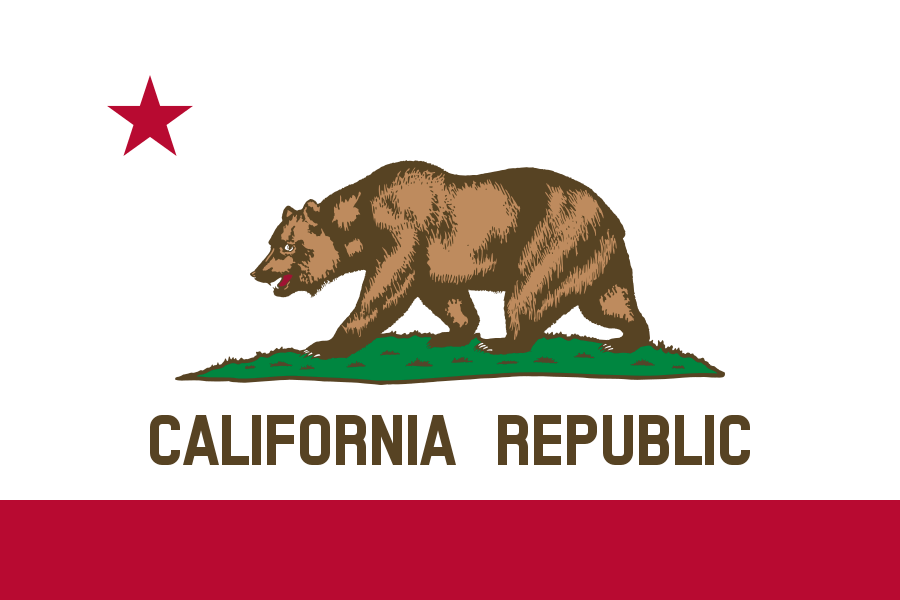
    900px-Flag_of_California.svg.png

    I’ve seen stories circulating about California banning the Bible. I’m also seeing some people sharing links from various websites (none of them are major news sites) talking about this ban.

    All of this is in relation to California Assembly Bill 2943, a bill which is related to “sexual orientation change efforts” also known as “conversion therapy,” which are therapeutic methods aimed at changing a person’s sexual orientation or gender based on psychological and/or spiritual interventions.

    Among the headlines I’m seeing:

    “Liberty counsel warning: California about to ban Bible sales”

    “One step closer to law: could a California bill ultimately lead to the banning of Bibles?”

    “Just in: liberal California lawmakers propose bill to ban sale of Bibles”

    “Developing: California pushes bill that appears to ban sale of Bibles.”

    There are cries of censorship, violating the first amendment. I’ve seen tweets that show the Nazis burning books.

    Since these therapies can be done as commercial business, consumer protection laws would therefore apply.

    From the bill:

    Courts, including in California, have recognized the practice of sexual orientation change efforts as a commercial service, andservice. Therefore, claims that sexual orientation change efforts are effective in changing an individual’s sexual orientation, may constitute unlawful, unfair, or fraudulent business practices under state consumer protection laws. This bill intends to make clear that sexual orientation change efforts are an unlawful practice under California’s Consumer Legal Remedies Act.

    To say that this law is a ban on the Bible in the Great State of California is a falsehood. To anyone who disagrees with that, show me where it says that?

    It doesn’t.

    I feel like there are websites that are writing headlines which misrepresent the facts of this law, for the sake of people clicking on their links. One of the people who’s addressed the law is a man in California who’s running for governor. He’s furthering the myth about what this law does. That seems to be fear mongering.

    We need to be intellectually honest. California is not working on passing a law that bans sales of the Bible.

    I’ve already said the bill doesn’t explicitly set forth a ban. Where in the bill does it implicitly give the right to make a ban on Bible sales?

    I realize that there are some people in this country who are very hostile to Christianity and the Bible. But that doesn’t mean that they’re tyrannical to the point of wanting a ban. And even if a small fringe did want that, it wouldn’t work. This country is 75% Christian.

    Also, let’s say that this did happen. How do you ban the sale of Bibles in a state? People have smart phones where they can DOWNLOAD a Bible. People have Amazon where they can order the Bible from another state. There are independent book stores that sell used books. Even closed off countries with totalitarian rulers who try to actually ban Bibles struggle to do that.

    But that’s not what is happening.

    There are plenty of issues in this country related to religious liberty. California banning the Bible is not one of them.

    I do believe there can be people who really do seek counsel for SOCE. I do think that this bill could infringe upon what therapists and counselors are able to do in working with those clients. From that perspective, I do see how there could be an infringement of religious liberties. And that’s an issue. However that’s a different issue than banning Bible sales.

    Josh Benner is the associate pastor at Cornerstone Evangelical Free Church in Fergus Falls, Minnesota and has a Master of Divinity from Trinity Evangelical Divinity School. He enjoys writing about faith and culture. He lives with his wife Kari in Minnesota.