Josh Benner

Category: History

  • D-Day 79 years later: the battle that was the beginning of the end of WWII

    d7gmptk3-1401982346

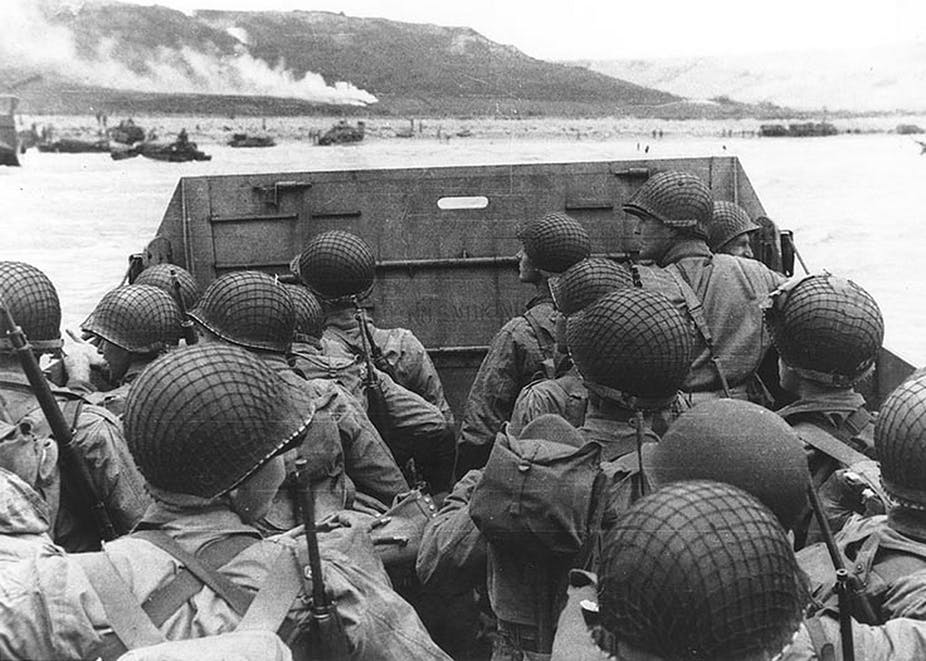
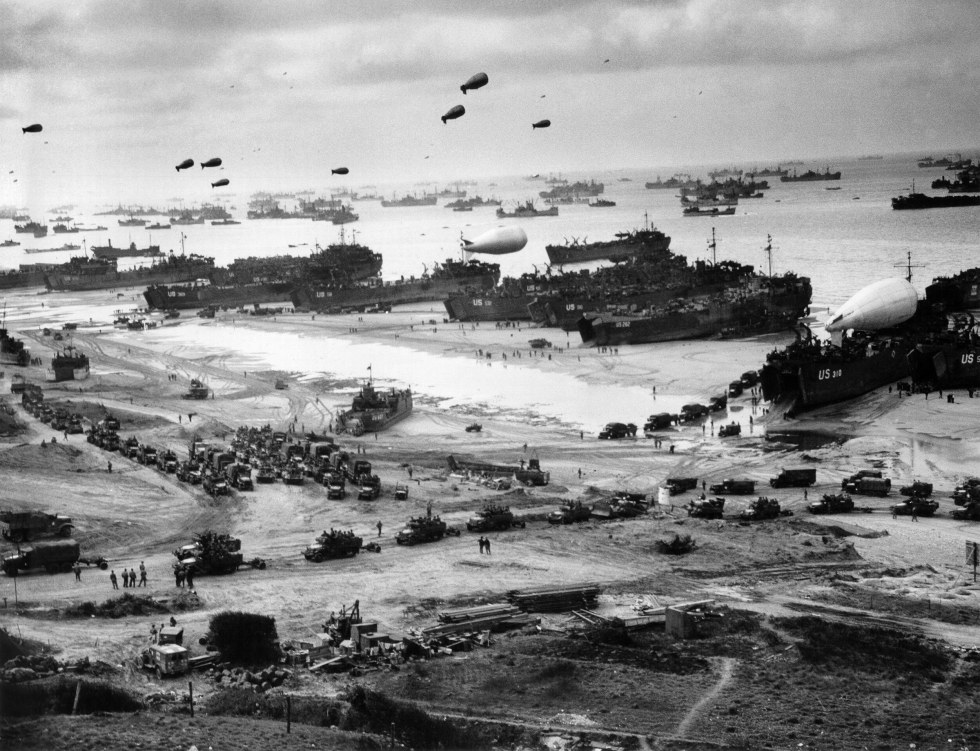
    Today is the 79th anniversary of the Normandy invasion. Over 150,000 Allied forces took part in the invasion. Over a million men were part of the overall battle of Normandy. Thousands of ships and planes. Even trying to fathom the size of the operation is impossible to comprehend.  

    It remains the largest seaborne invasion in history. The strategic significance of the Normandy invasion was that it gave the Allied forces an entry point into continental Europe.
    2WEUKA6QOYZZLCYAMKJ643RCWM

    A lot of our mental images of what D-Day would have been like come from the opening sequence of the movie Saving Private Ryan. D-Day hero and Medal of Honor recipient Walter Ehlers used to tell people to multiply that scene by 60 to appreciate what it was actually like.

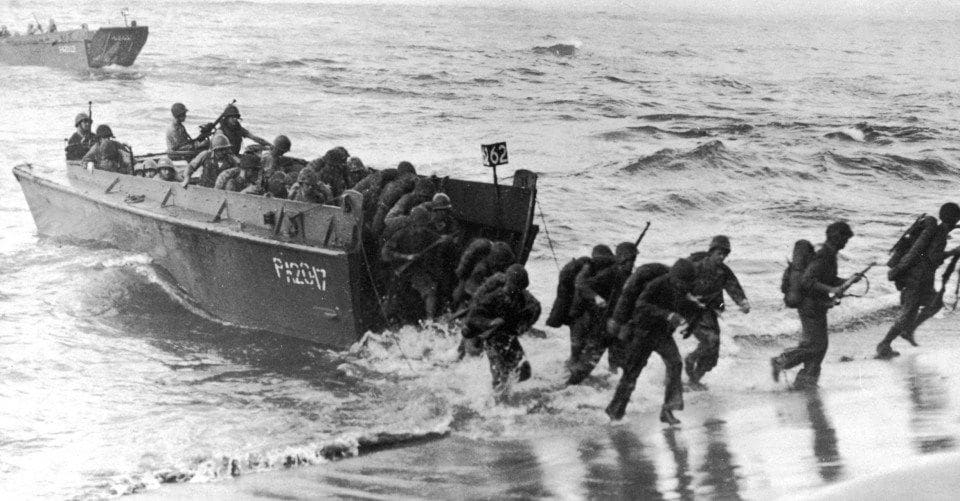
    It’s truly unimaginable to think of what the first waves of American troops at Omaha beach faced. Overwhelming fire from the front, the left, and the right. As troops rode in on Higgins Boats, some of them were shot as soon as the doors dropped, killed or wounded before they ever made it to land.  

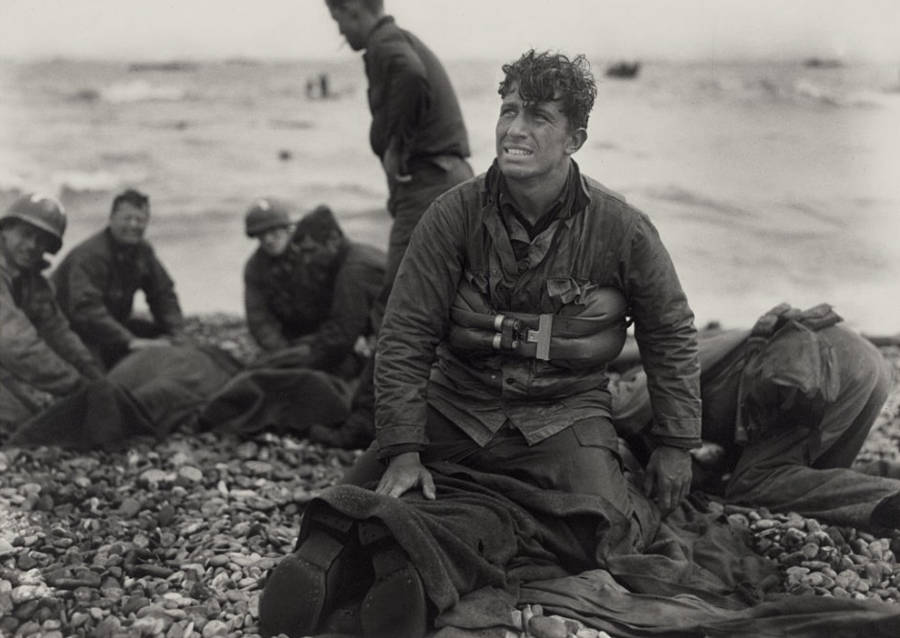
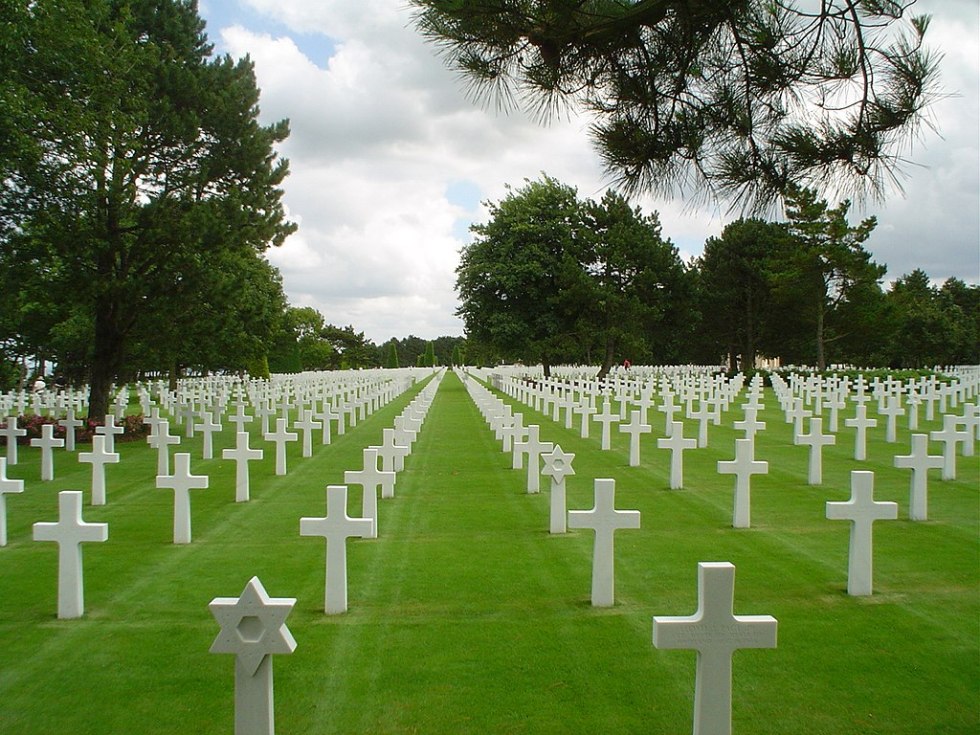
    The older I get, I think the more I begin to appreciate what these men (and everyone who has fought to defend our freedom) went through. Not that I understand their experience, but to have an appreciation for how young these men were. To have a greater appreciation that everyone who dies in war is someone’s son, husband, brother, best friend. Most of the men who gave their lives on D-Day were younger than I am now. I’ve had the opportunity to live a longer life than they did when they were the ones who made the ultimate sacrifice for freedom.

    I think of where I was in my late teens and early twenties. I think of where the generation of college kids is today. I see safe spaces in schools. I see people complain about “micro aggressions,” I see how easily offended our society is. These men had to go to war against Nazi Germany.

    It’s two different worlds.
    american-soldiers-recover-the-dead

    It strikes me that these events happened so long ago. Within the lifetime of my grandparents. In one sense, not so long ago, but in another sense, a totally different era. For those who participated in the invasion who are still alive, the youngest of them are in their 90s. I think of all the many decades of life that these men have had since that day.

    The vast majority of their lives have come in the aftermath of D-Day and World War II.   Last year, I went out of my way to listen to the stories of those who survived that day. Incredible stories. With the War on Terrorism, PTSD is a common subject that gets talked about. It wasn’t a focus then the way it is now.   It’s interesting listening to these old men describing their experiences from a lifetime ago. The horrors that they saw. Some of them get emotional talking about it. But I think of how they’ve had to hold onto those horrible memories for a lifetime. I think about those things and it makes me appreciate the sacrifices even more. Because those who fight for our freedom don’t just fight a battle or a few battles, but they then have a lifetime of having to carry the burdens of their experiences.  
    beach-normandy.jpg

    I think of the generation who fought in World War II. We call them The Greatest Generation. And they are. They had to survive the Great Depression and fight the most horrendous war the world has ever seen. And the greatness of the World War II generation isn’t just in those who fought overseas. It was a nationwide effort.  

    The war effort affected virtually every facet of American life. Companies shifted their manufacturing efforts to supporting the war and supplying the military. Maytag went from making washing machines to making parts for airplanes. Firestone Tires made artillery shells and aluminum containers for food transport.   Products like sugar, butter, bacon, and cheese were rationed. As were penicillin and other medicines, along with rubber and certain types of metals. Materials for clothing such as silk and nylon were needed for uniforms. Everything went to supporting a cause that was so much bigger than any one person.   And everyone’s contributions mattered.  

    It wasn’t the life this generation chose for themselves. It’s the circumstances that history forced them into. And they served and did their duty. I think of the things that we see as hardships in 2019. Life in America is great. And our lives are better because of this germination and what they fought for.  
    1024px-American_military_cemetery_2003.JPG

     In America, President Roosevelt led the nation in prayer after the D-Day attack. I think of how hard people fight for separation of church and state. The president welcomed the entire nation to join him in prayer and then led that prayer.  

    My fellow Americans: Last night, when I spoke with you about the fall of Rome, I knew at that moment that troops of the United States and our allies were crossing the Channel in another and greater operation. It has come to pass with success thus far. 

    And so, in this poignant hour, I ask you to join with me in prayer:

    Almighty God: Our sons, pride of our Nation, this day have set upon a mighty endeavor, a struggle to preserve our Republic, our religion, and our civilization, and to set free a suffering humanity.

    Lead them straight and true; give strength to their arms, stoutness to their hearts, steadfastness in their faith.

    They will need Thy blessings. Their road will be long and hard. For the enemy is strong. He may hurl back our forces. Success may not come with rushing speed, but we shall return again and again; and we know that by Thy grace, and by the righteousness of our cause, our sons will triumph.

    They will be sore tried, by night and by day, without rest-until the victory is won. The darkness will be rent by noise and flame. Men’s souls will be shaken with the violences of war.

    For these men are lately drawn from the ways of peace. They fight not for the lust of conquest. They fight to end conquest. They fight to liberate. They fight to let justice arise, and tolerance and good will among all Thy people. They yearn but for the end of battle, for their return to the haven of home.

    Some will never return. Embrace these, Father, and receive them, Thy heroic servants, into Thy kingdom.

    And for us at home — fathers, mothers, children, wives, sisters, and brothers of brave men overseas — whose thoughts and prayers are ever with them–help us, Almighty God, to rededicate ourselves in renewed faith in Thee in this hour of great sacrifice. 

    Many people have urged that I call the Nation into a single day of special prayer. But because the road is long and the desire is great, I ask that our people devote themselves in a continuance of prayer. As we rise to each new day, and again when each day is spent, let words of prayer be on our lips, invoking Thy help to our efforts. 

    Give us strength, too — strength in our daily tasks, to redouble the contributions we make in the physical and the material support of our armed forces. 

    And let our hearts be stout, to wait out the long travail, to bear sorrows that may come, to impart our courage unto our sons wheresoever they may be. 

    And, O Lord, give us Faith. Give us Faith in Thee; Faith in our sons; Faith in each other; Faith in our united crusade. Let not the keenness of our spirit ever be dulled. Let not the impacts of temporary events, of temporal matters of but fleeting moment let not these deter us in our unconquerable purpose. 

    With Thy blessing, we shall prevail over the unholy forces of our enemy. Help us to conquer the apostles of greed and racial arrogancies. Lead us to the saving of our country, and with our sister Nations into a world unity that will spell a sure peace a peace invulnerable to the schemings of unworthy men. And a peace that will let all of men live in freedom, reaping the just rewards of their honest toil.

    Thy will be done, Almighty God. Amen. 

    Freedom isn’t free. Thank those who fought on that horrible day for our freedom.

    Originally published June 6, 2019

    Thanks for reading! I’d love to hear what you think, and don’t forget to subscribe!

  • People missed the significance of the first Christmas – but how do you respond to Jesus this Christmas?

    People missed the significance of the first Christmas – but how do you respond to Jesus this Christmas?

    There are the important days that we know are important at the time. And there are the important days when we only know of their significance with hindsight. 

    A couple weeks ago, we had the anniversary of an important day in American history when we remembered the 80th anniversary of the Pearl Harbor attacks on December 7, 1941. 

    Other important days in American history. 

    November 22, 1963, the day President Kennedy died. 

    September 11, 2001.

    You knew those were historic days at the time. 

    And that’s also true in our personal lives. 

    There are some days that you know are monumental days at the time. 

    The day you get married. The day kids are born. 

    But as we begin in our passage this morning, I want to talk for a moment about the days that matter but that we don’t know matter until after the fact. 

    On June 28, 1914, the heir to the throne of Austria-Hungary was killed. It was a story at the time, but to observers, it seemed like a regional matter that wouldn’t extend much past Eastern Europe. In reality that event was the spark that led to the outbreak of World War I, the most destructive war the world had ever seen at that time.

    The days that matter that you don’t know matter. 

    The first time you ever heard of Covid-19 in China, you probably never imagined that it was going to turn our world upside down. 

    Think about the day the lightbulb was invented. The world was going to change but most people had no idea.

    It’s always a fascinating thought to me. That such significant days can be days when you don’t know it at the time. 

    I think of one of the most significant days in my life. February 20, 2017. It was on that day that I talked to a girl on eharmony.com who I thought looked cute. I had no idea at the time, but that was the first day I ever talked to my wife. 

    Think about the day a famous person was born. No one knows it at the time. A future president, or leading actor, or star athlete could be in the process of being born this very morning and we wouldn’t know it. 

    And I think of that with the events surrounding the first Christmas Eve. 

    Human history was about to forever change. 

    For people who lived in Bethlehem on that first Christmas Eve, their little town was about to be center stage to events that we’d be talking about 2,000 years later, events that were so significant that time itself is calculated by its proximity to them. 

    And for the average person living in Bethlehem on that first Christmas Eve, they would have had no idea. 

    Think about that. 

    SONG – WHILE YOU WERE SLEEPING

    One of my favorite newer Christmas songs of the last several years comes from the Christian band Casting Crowns. The song is titled “While you were sleeping.” 

    And the song considers this world-changing event. Christ coming into the world, and how it happened on – for many people – just any other ordinary night. 

    The song says: 

    O Bethlehem, what you have missed while you were sleeping

    For God became a man

    And stepped into your world today

    O Bethlehem, you will go down in history

    As a city with no room for its King

    While you were sleeping

    While you were sleeping

    The world kept turning. On that first Christmas and over the coming weeks and months, people continued to live their lives. 

    For the average person living at the time, that seems to be the most likely response at the advent of Christ. Unawareness. Obliviousness. 

    But there were some who had heard about the birth of Jesus. You have wise men who sought this newborn baby out. You have King Herod who heard the news but who was not overjoyed at the prospect of another king living in his territory. And you have Herod’s priests and scribes, those who were most learned in the Old Testament, yet who would miss the significance of the moment.  

    The first Christmas, many didn’t realize what had happened. But since that first Christmas, the rest of history has been turned upside down. 

    It was easy to be blissfully unaware of Jesus as a baby. But what do you do with him as a man? What do you do with him as a teacher? What do you do with him as a prophet? What do you do with him as a savior? What do you do with him as Lod? 

    Some will continue to ignore him, some will continue to miss the significance of who he is, some will continue to actively oppose him. 

    But will you come to him and worship him?

    It might have been easy to dismiss a baby, but that baby grew and became the savior of the world. That baby went to the cross. That tomb was empty on the third day. 

    What do you do with all of that? 

    Will you continue to overlook the significance of Jesus and who he is? 

    Or will you come to him and worship him as Lord? 

    People ignored and overlooked the significance on the first Christmas but what are you doing with Jesus this Christmas? 

    He invites you to come to him, to know him. 

    Thanks for reading! If you liked it, please share and subscribe!

  • Reformation Day: the day that changed the future of the Church

    nbcM9a9TyrfWdcpD9mEKqirF

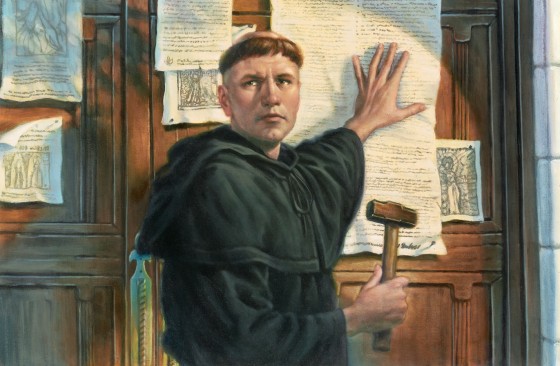
    505 years ago today, the history of the church, of Europe, and of the western world were forever changed in the town of Wittenberg Germany. Martin Luther wrote his 95 theses, a list of grievances against corrupt and unbiblical practices within the Catholic Church. The impact of this event continues to ripple throughout the Christian world.

    Luther was not the first person to call for reform in the church.

    Other movements perhaps had followings but didn’t have political support. Luther had that. Which afforded him a certain level of personal safety, though his martyrdom seemed inevitable at times. Another key difference between Luther and influential reformers who preceded him was the invention of the printing press. This allowed a mass volume of pamphlets to be produced. Luther was also likely helped by the fact that other reformation movements spread elsewhere in Europe during this time. Amid church abuses, Europe was at a tipping point. And while Luther was not the first to call for reform, it was his ministry that most significantly tipped the Reformation movement over the edge.

    Less than 20 years later in England, Henry VIII broke away from the Catholic Church and started he Church of England in 1534. Reforms were also happening in Switzerland, most notably, the city of Geneva, eventually under the leadership of John Calvin. The Anabaptist movement sprung up who favorited believer’s baptism over infant baptism. These groups were not always in agreement, and some of them had severe conflicts with each other, but they were all in agreement that all was not well within the Church, and that there were changes which were necessary.

    Against Church traditions that had become entrenched in Europe, the reformers did not think that they were doing something new, but rather were taking the Church back to its Biblical foundations.

    By the sale of indulgences, it was believed that people could pay a price to have sins removed from themselves or for people for whom they had purchased the indulgences. But the issue with this was that the Catholic Church was overstepping its bounds on what saved a person. The Church was not the arbiter of what brings salvation, it is God’s grace alone received through faith alone in Christ alone. The gospel is not man’s gospel (Galatians 1:11).

    The Catholic Church believes and believed that the seven sacraments impart grace by nature of being sacraments. While the Mass was in Latin and could not be understood by all people, the justification for this was that the sacraments still inherently imparted grace to a person, regardless of if they could understand. But this undermined faith. That’s not to say that Catholics (then and now) never value faith. But it can be easy to focus on sacraments and works apart from faith.

    Interestingly the sacrament of confession was one which caused great angst for Martin Luther. Beginning as a devout Catholic and constantly aware of his own sinfulness, Luther lived in an ever-present awareness the this life did not live up to God’s standards of holiness. He had no assurance of salvation and lived in an exhausting cycle of constant confession. Luther would confess multiple times a day, sometimes for hours at a time, as he tried to remember every sin he committed, every hint of pridefulness, everything he should have done but hadn’t.

    One verse that Luther had despised in the scriptures was “the righteous shall live by faith” which is found multiple times in the Bible (Romans 1:17; Galatians 3:11; Habakuk 2:4).

    But Luther knew he wasn’t righteous.

    In his conversion story, Luther said:

     “I hated that word “righteousness of God,” which, according to the use and custom of all the teachers. I had been taught to understand philosophically regarding the formal or active righteousness, as they called it, with which God is righteous and punishes the unrighteous sinner.

    Though I lived as a monk without reproach, I felt that I was a sinner before God with an extremely disturbed conscience. I could not believe that he was placated by my satisfaction. I did not love, yes, I hated the righteous God who punishes sinners, and secretly, if not blasphemously, certainly murmuring greatly, I was angry with God.”

    But Luther would eventually be struck by the verse which had brought him such distress. The gospel was not about living up to the righteousness of God. It was about living for God in faith. And for Luther, that changed everything.

    “At last, by the mercy of God, meditating day and night, I gave heed to the context of the words, namely, “In it the righteousness of God is revealed, as it is written, ‘He who through faith is righteous shall live.’” There I began to understand that the righteousness of God is that by which the righteous lives by a gift of God, namely by faith. And this is the meaning: the righteousness of God is revealed by the gospel, namely, the passive righteousness with which merciful God justifies us by faith, as it is written, “He who through faith isrighteous shall live.” Here I felt that I was altogether born again and hadentered paradise itself through open gates.”

    Faith is a gift from God and that people are declared righteous by God as a result of faith in the gospel.

    We are justified by faith. This became a hallmark of Luther’s theology. And it became invaluable to Protestantism. We are justified by faith, not by faith and works. Not through faith and Church. Not by faith and any of the sacraments (though baptism and the Lord’s Supper are things which all Christians ought to do and are commanded to do).

    A critique of this view and an unfortunate consequence is that many take the “faith alone” view to mean that disingenuous faith is enough, just giving some vague assent to a gospel a person doesn’t really believe in. That wasn’t what Luther believed.

    At the beginning of his 95 Theses, the first theses talks about how all of life is repentance. Faith is an all-encompassing reality and driving force of life. Living by faith in the Gospel of Jesus Christ. That we cannot earn salvation of our own merit but that it is entirely by grace alone through faith alone in Christ alone.

    Happy Reformation Day!

    This post was originally published October 31, 2017 as “500 years of reformation.” 

    Thanks for reading! I’d love to hear what you think, and don’t forget to subscribe! 

  • THE LEGACY OF AMERICA’S FIGHT FOR INDEPENDENCE

    THE LEGACY OF AMERICA’S FIGHT FOR INDEPENDENCE

    A few years ago, my wife and I had the opportunity to visit Philadelphia. Neither of us had ever been there before. I loved it. Thought it was an amazing city. As someone who loves history, there are some incredible sights to see in Philadelphia. It’s surreal that you’ll be in the middle of a major city and you’ll also be walking between buildings that housed some of the most important events in our nation’s history, and that were here over 200 years ago.

    My favorite sight to see was Independence Hall, where the Declaration of Independence and the Constitution were debated and adopted. It was surreal to be in a room, and to think, “George Washington, Thomas Jefferson, Benjamin Franklin, and Alexander Hamilton have all been in this room.” It felt as though I was standing on hallowed ground.

    Much gets said about our founding fathers and our history. They were imperfect men. But imperfect as they were, they also did something great.

    Revisionist historians like to argue that the only reason the Founding Fathers declared independence from Britain was out of a desire to not pay taxes. This overlooks the fact that the founders committed an act of treason against the Crown when they declared independence. Had the United States lost the war, they would have all been hanged. And it wasn’t a guarantee that the United States would win. The Continental Army had the daunting task of synthesizing an army together from colonies (who had largely been independent of one another) into a cohesive army.

    img_0738
    Assembly Room at Independence Hall

    The last line of the Declaration of Independence says:

    “For the support of this declaration, with a firm reliance on the protection of divine providence, we mutually pledge to each other our lives, our fortunes and our sacred honor.”

    Many of our Founding Fathers paid dearly in the cause of liberty and freedom.

    Robert Morris of Pennsylvania had amassed great wealth and gave it all away to support the army and navy. He also had loaned money to the Continental Congress in 1776. Morris was never paid back and died in poverty.

    Thomas Nelson of Virginia had his home overtaken and used as a headquarters by General Cornwallis. Nelson ordered his own home to be burned down. He spent $2 million of his own money (an incredible sum in the 18th century), to help fund the war. Nelson was also never paid back and died impoverished.

    Phillip Livingston of New York was one of the richest men in America but also lost all of his fortune and didn’t survive to see the end of the war, dying less than two years after he signed the Declaration of Independence.

    Richard Stockton of New Jersey was arrested by the British in 1776 and spent three years as a prisoner. When he was released, his health was failing, and he died two years later in financial ruin.

    When Charleston, South Carolina was overtaken by the British in 1780, three of the four signers of the Declaration of Independence were taken as prisoners of war. When they were released, their property had been pillaged.

    And there are many other examples. They cost of starting a nation. A nation that is imperfect, but which has also spread more freedom to the world than any other nation in history.

    I think our founding fathers, and the subsequent millions of soldiers, sailors, airmen, and Marines who have fought to defend that freedom. Most especially, I’m thankful for the freedom of religion that we have in this nation. That we are free to worship as we desire. So many tyrants throughout the world have attacked the freedom of religion at the alter of imposing religions or eliminating religions. But the beauty of America is that we can worship as we choose.

    Originally published July 4, 2018

  • Reformation Day – the day that changed the future of the church

    Reformation Day – the day that changed the future of the church

    503 years ago today, the history of the Church, of Europe, and of the western world were forever changed in the town of Wittenberg Germany. Martin Luther wrote his 95 theses, a list of grievances against corrupt and unbiblical practices within the Catholic Church. The impact of this event continues to ripple throughout the Christian world.

    Luther was not the first person to call for reform in the church.

    Other movements perhaps had followings but didn’t have political support. Luther had that. Which afforded him a certain level of personal safety, though his martyrdom seemed inevitable at times. Another key difference between Luther and influential reformers who preceded him was the invention of the printing press. This allowed a mass volume of pamphlets to be produced. Luther was also likely helped by the fact that other reformation movements spread elsewhere in Europe during this time. Amid church abuses, Europe was at a tipping point. And while Luther was not the first to call for reform, it was his ministry that most significantly tipped the Reformation movement over the edge.

    Less than 20 years later in England, Henry VIII broke away from the Catholic Church and started he Church of England in 1534. Reforms were also happening in Switzerland, most notably, the city of Geneva, eventually under the leadership of John Calvin. The Anabaptist movement sprung up who favorited believer’s baptism over infant baptism. These groups were not always in agreement, and some of them had severe conflicts with each other, but they were all in agreement that all was not well within the Church, and that there were changes which were necessary.

    Against Church traditions that had become entrenched in Europe, the reformers did not think that they were doing something new, but rather were taking the Church back to its Biblical foundations.

    By the sale of indulgences, it was believed that people could pay a price to have sins removed from themselves or for people for whom they had purchased the indulgences. But the issue with this was that the Catholic Church was overstepping its bounds on what saved a person. The Church was not the arbiter of what brings salvation, it is God’s grace alone received through faith alone in Christ alone. The gospel is not man’s gospel (Galatians 1:11).

    The Catholic Church believes and believed that the seven sacraments impart grace by nature of being sacraments. While the Mass was in Latin and could not be understood by all people, the justification for this was that the sacraments still inherently imparted grace to a person, regardless of if they could understand. But this undermined faith. That’s not to say that Catholics (then and now) never value faith. But it can be easy to focus on sacraments and works apart from faith.

    Interestingly the sacrament of confession was one which caused great angst for Martin Luther. Beginning as a devout Catholic and constantly aware of his own sinfulness, Luther lived in an ever-present awareness the this life did not live up to God’s standards of holiness. He had no assurance of salvation and lived in an exhausting cycle of constant confession. Luther would confess multiple times a day, sometimes for hours at a time, as he tried to remember every sin he committed, every hint of pridefulness, everything he should have done but hadn’t.

    One verse that Luther had despised in the scriptures was “the righteous shall live by faith” which is found multiple times in the Bible (Romans 1:17; Galatians 3:11; Habakuk 2:4).

    But Luther knew he wasn’t righteous.

    In his confession story, Luther said:
    “For I hated that word “righteousness of God,” which, according to the use and custom of all the teachers…though I lived as a monk without reproach, I feel that I was a sinner before God with an extremely disturbed conscience. I could not believe that he was placated by my satisfaction. I did not love, yes, I hated the righteous God who punishes sinners, and secretly, if not blasphemously, certainly murmuring greatly, I was angry with God.”

    But Luther would eventually be struck by the verse which had brought him such distress. The gospel was not about living up to the righteousness of God. It was about living for God in faith. And for Luther, that changed everything.

    “At last, by the mercy of God, meditating day and night, I gave heed to the context of the words, namely, “In it the righteousness of God is revealed, as it is written, ‘He who through faith is righteous shall live.’” There I began to understand that the righteousness of God is that by which the righteous lives by a gift of God, namely by faith. And this is the meaning: the righteousness of God is revealed by the gospel, namely, the passive righteousness with which merciful God justifies us by faith, as it is written, “He who through faith isrighteous shall live.” Here I felt that I was altogether born again and hadentered paradise itself through open gates.”

    Faith is a gift from God and that people are declared righteous by God as a result of faith in the gospel.

    We are justified by faith. This became a hallmark of Luther’s theology. And it became invaluable to Protestantism. We are justified by faith, not by faith and works. Not through faith and Church. Not by faith and any of the sacraments (though baptism and the Lord’s Supper are things which all Christians ought to do and are commanded to do).

    A critique of this view and an unfortunate consequence is that many take the “faith alone” view to mean that disingenuous faith is enough, just giving some vague assent to a gospel a person doesn’t really believe in. That wasn’t what Luther believed.

    At the beginning of his 95 Theses, the first theses talks about how all of life is repentance. Faith is an all-encompassing reality and driving force of life. Living by faith in the Gospel of Jesus Christ. That we cannot earn salvation of our own merit but that it is entirely by grace alone through faith alone in Christ alone.

    Happy Reformation Day!

    This post was originally published October 31, 2017 as “500 years of reformation.” 

    Thanks for reading! If you liked it, please share!